
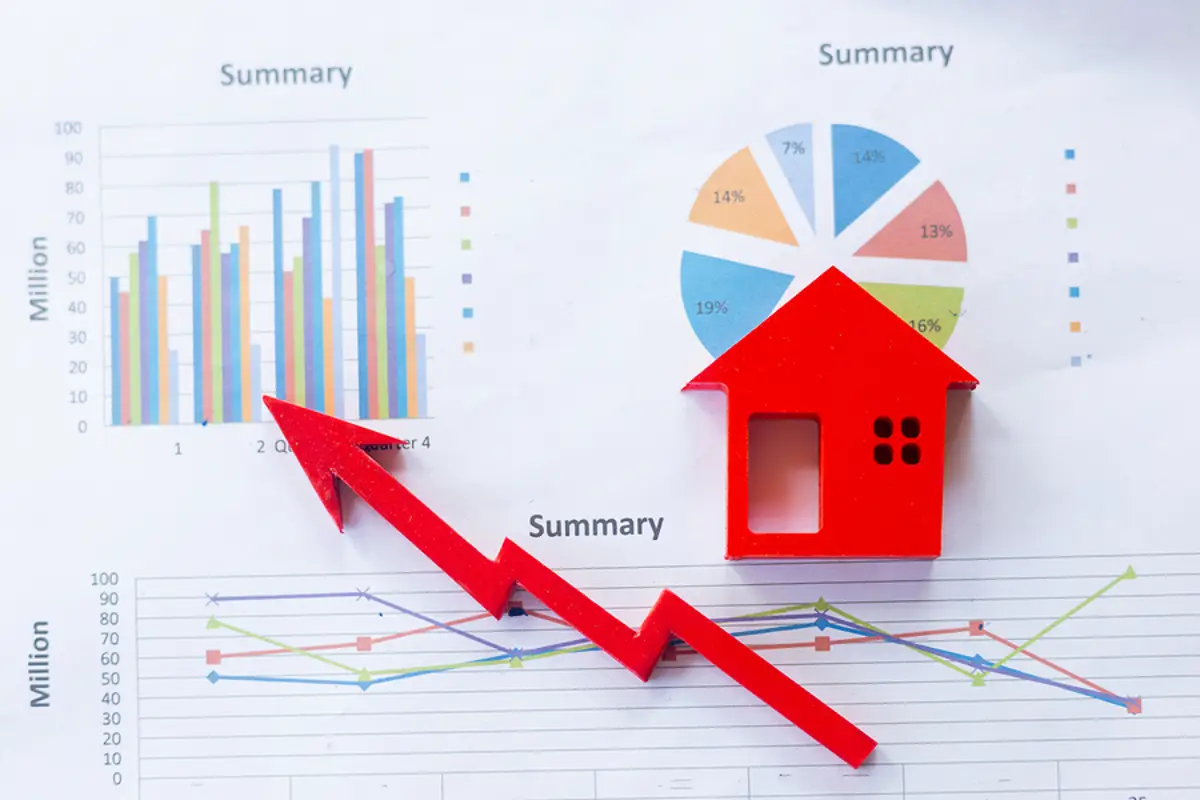
At first glance, your New York City rental may seem to be performing exactly as planned. Occupancy remains stable, maintenance calls are limited, and your reports look clean, particularly when supported by detailed rental accounting records. Yet steady activity does not always equal strong profitability, and subtle financial gaps often surface only when annual totals are reviewed.
Operating in New York City means navigating shifting market demand, layered regulations, and steadily rising operating costs. Even small pricing missteps or delayed repairs can compound in a dense, high-cost environment, gradually narrowing margins without obvious warning signs.
At PMI Paramount, we focus strictly on residential properties throughout New York City. We help owners keep income aligned with real-time market conditions while maintaining disciplined expense control, so performance remains consistent long before a bad year exposes hidden weaknesses.
Key Takeaways
- Minor maintenance delays often turn into higher repair costs.
- Vacancy loss includes preparation time, utilities, and marketing coordination.
- Rent that falls behind market rates compounds revenue gaps quickly.
- Property taxes and insurance increases compress margins without warning.
- Consistent financial monitoring allows us to correct course early.
Maintenance Costs That Don’t Stay Small
Repairs in New York City rarely get cheaper with time. Dense housing, aging buildings, and heavy usage accelerate wear.
Why postponing work backfires
A small plumbing issue in a multifamily brownstone can affect neighboring units. An HVAC system that limps through spring may fail during peak summer demand when vendor availability tightens.
Industry data shows the routine home repair needs cost is at $3,725 for renter-occupied homes. In New York City, labor rates and material costs often push that figure higher, especially when repairs become urgent.
We prioritize early inspections and vendor coordination to avoid premium pricing and prevent secondary damage.
Signs that deserve attention
Small patterns usually show up before major repairs:
- Persistent moisture around windows
- Uneven heating across rooms
- Recurring electrical breaker trips
- Minor ceiling discoloration after rain
Addressing these early helps protect both property condition and tenant satisfaction.
Capital Expenses That Collide in One Year
Every residential property in New York City moves through cycles. Roofing, boilers, appliances, and common area systems all age.
The financial impact becomes sharp when multiple components reach replacement age simultaneously.
Why systems age together
Many properties were renovated during similar ownership periods. Years later, boilers, water heaters, and major appliances share comparable timelines. Without a reserve strategy, these replacements can strain cash flow.
Running projections through a vacancy loss calculator helps illustrate how downtime combined with major upgrades can affect annual performance.
Reserve planning with intention
We align expected replacement windows with monthly reserve contributions. Structured planning reduces stress and keeps long-term returns stable.
Vacancy Costs Beyond Lost Rent
An empty unit in New York City carries layered costs. Even in high-demand neighborhoods, turnover involves more than missed income.
What vacancy truly includes
Beyond lost rent, turnover typically involves:
- Deep cleaning and debris removal
- Minor repairs uncovered at move-out
- Utility overlap during vacancy
- Broker coordination or marketing expenses
- Administrative time for screenings and lease processing
These expenses add up quickly. If rent positioning is slightly off, vacancy can extend longer than expected.
Setting competitive rates through thoughtful rental pricing strategy helps reduce downtime while protecting income.
Rent Adjustments and Market Alignment
New York City’s rental market shifts frequently. Demand varies by borough, building type, and season.
The cumulative impact of underpricing
A $200 monthly gap between your unit and comparable listings results in $2,400 in annual revenue loss. Over several lease cycles, that gap compounds significantly.
Reviewing comparable data and applying consistent increases, especially when guided by accurate rental increase calculations, keeps income aligned with expenses and market demand.
Collection timing affects operations
Late payments, even when eventually resolved, disrupt planning. Mortgage payments, property taxes, and vendor invoices operate on fixed timelines.
Clear lease enforcement and structured follow-up reduce uncertainty and protect financial consistency.
Fixed Expenses That Keep Rising
Certain costs increase regardless of tenant performance. Ignoring these trends gradually reduces margins.
Property taxes and assessments
Across the country, the average annual property tax bill climbed to about $4,271. In New York City, property tax structures vary by class and borough, yet upward adjustments remain common.
Annual comparisons between rent growth and tax obligations help preserve balance.
Insurance and compliance costs
Insurance premiums continue rising in many urban markets. Regulatory compliance, building inspections, and safety requirements also add operating expenses.
Older structures with outdated insulation or aging systems can further increase utility costs during vacancy periods.
Consistent Oversight Prevents Costly Surprises
Strong performance requires regular evaluation.
Through streamlined reporting available in our owner resources portal, property owners gain visibility into income, expenses, and performance trends throughout the year.
We focus on:
- Quarterly rent positioning reviews
- Preventive maintenance scheduling
- Reserve contribution tracking
- Vacancy trend monitoring
- Annual tax and insurance analysis
Structured oversight keeps small issues from escalating into bad-year outcomes.
Investment Stability in a Complex Market
Residential rentals in New York City remain attractive long-term assets. However, stability comes from disciplined management, not market momentum alone.
Balanced pricing, proactive maintenance, and careful monitoring separate steady performers from properties that slowly lose margin without obvious warning.
FAQs about Rental Property Financial Management in New York City, NY
How often should I review my rental’s financial performance in NYC?
Monthly reviews of income and expenses combined with quarterly trend analysis help identify changes early and prevent small cost increases from impacting annual returns.
What reserve amount is reasonable for a New York City rental?
Many owners maintain three to six months of operating expenses, though older buildings or properties with shared systems may require higher reserves due to maintenance complexity.
How do I know if my rent is aligned with the market?
Compare similar units in your borough, factoring in amenities, size, and building condition. Regular evaluations help prevent underpricing while remaining competitive.
Can vacancy in NYC still hurt even with strong demand?
Yes. Preparation costs, marketing time, and administrative coordination can reduce profitability even if the unit re-leases quickly.
Do rising taxes always require rent increases?
Not automatically, but sustained tax growth often requires strategic adjustments to maintain long-term margin stability.
Turn Market Strength Into Measurable Results
New York City offers opportunity, yet opportunity alone does not guarantee consistent returns. Small operational gaps often reveal themselves only after a disappointing year.
PMI Paramount supports residential property owners across New York City with structured oversight, disciplined pricing, and clear financial reporting. Protect your margins and sharpen long-term performance by choosing to strengthen your rental accounting framework with PMI Paramount today.